
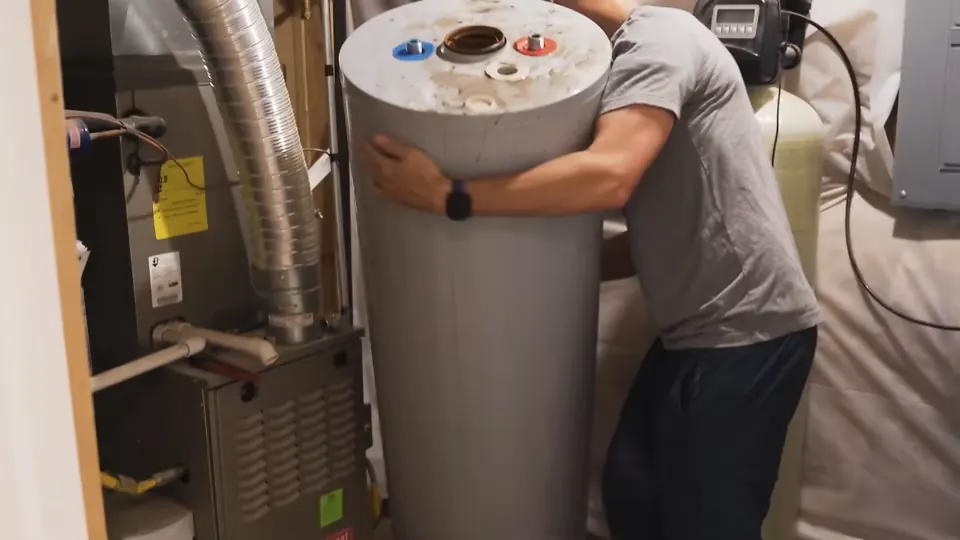
What makes replacement different from a repair?
A repair addresses a fault in the existing system. Replacement changes the appliance and may also require work on connections or other installation details. An internal tank-body leak is a different problem from a serviceable valve or external fitting.
Ask the provider to explain where the leak or failure originates before treating replacement as inevitable. Conversely, a new component cannot restore the integrity of a corroded tank body. Our repair-or-replacement guide helps organize those questions.
How should a household choose capacity?
Describe actual hot-water use: showers close together, simultaneous bathroom use, laundry, and other large draws. The useful measure differs between a storage system and an on-demand unit. Tank capacity alone does not describe every aspect of recovery, and a tankless unit’s output depends on temperature rise and flow.
A provider should evaluate the household’s peak demand alongside the model’s specifications. A bigger number is not automatically the right choice. Ask what demand assumptions support the recommendation and whether the proposed unit fits the existing installation.
Which installation details need checking?
- Fuel or electrical supply suitable for the selected unit.
- Physical access, service clearances, and safe placement.
- Water connections and the pressure-control arrangement.
- Applicable relief-valve and discharge requirements.
- Venting and combustion-air needs for gas equipment.
- Condensate provisions where the selected system requires them.
- Permit and inspection requirements for the actual work.
This is a discussion checklist, not a substitute for the provider’s site assessment or current local requirements. Do not infer that every installation requires the same changes.
What should happen before the old unit is removed?
Confirm the proposed model, the scope of work, any required approvals, and how the household should prepare. Ask whether the provider handles removal and disposal and whether any follow-up inspection is part of the arrangement. Do not assume these tasks are included.
Provide access information in advance. Stairs, narrow doorways, restricted utility spaces, and building-management requirements can affect planning. If you rent, contact the owner or property manager before authorizing replacement. Keep children and pets away from the work area.
What should you receive after installation?
Ask the installer to explain operating controls, recommended maintenance, and the location of the manufacturer’s documentation. Keep the model and serial information, installation record, and applicable warranty materials. Manufacturer coverage and provider workmanship terms are separate matters.
The provider should explain how operation was verified and what to do if a fault or leak appears afterward. Do not accept a generic promise of energy savings as a substitute for understanding the model, settings, and household use. See the service-visit checklist for useful handover questions.
How can you prepare without guessing the right system?
Gather a photo of the existing label when safe, describe the household’s demand, and note the available space and access. You do not need to select a brand before discussing the installation. Gas, electric, tankless, and heat-pump models have different constraints.
Explore tankless considerations or return to the Decatur water heater overview. Service availability must be established through an approved provider; this page does not claim a current installation appointment is available.
Frequently asked questions
Does replacement always mean changing to the same type?
No. Other types may be possible, but supply, space, demand, and installation requirements determine feasibility.
Can you tell me the correct size online?
Not reliably from a city name or household size alone. A provider should assess peak use and the proposed model’s specifications.
Should I replace a heater only because it is old?
Age informs the discussion, but condition, diagnosis, repeated faults, and parts availability also matter.
Does a new heater need a permit?
Requirements depend on the work and jurisdiction. Ask the installer to verify the current local permit and inspection requirements.
Is every new heater more efficient for my household?
Model performance and actual usage matter. Ask for the relevant specification rather than accepting an unsupported savings percentage.
Who provides the warranty?
Manufacturer warranties and provider workmanship terms are separate. Request the applicable written documents directly.
Sources and model-specific guidance
These sources support the general guidance. Your appliance manual and a qualified assessment determine the appropriate action.