
What pattern should you listen for?
Popping or rumbling during heating may prompt a provider to consider deposits or other tank conditions. Banging when flow stops can involve the wider plumbing system. A whistle or hiss needs its own context, particularly if water, steam, gas, or another hazard may be involved.
Describe the sound and timing rather than naming a failed part. A short recording can help if it can be made safely without approaching the heater or delaying an urgent response.
What other symptoms matter?
Note reduced hot-water supply, a recurring code, visible moisture, or a recent change in the sound. Tell the provider whether the noise comes from the appliance area or travels through pipes. Do not touch hot piping to locate it.
A new loud sound with overheating or discharge needs attention. Suspected gas leakage or a carbon monoxide alarm means leaving first, not standing nearby to record the noise.
Why should you avoid a universal flushing remedy?
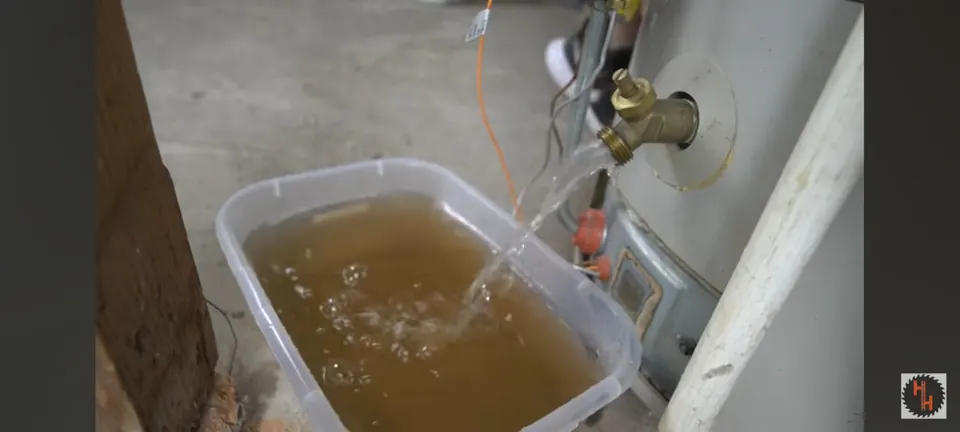
Flushing may address deposits when the manufacturer and provider consider it appropriate. It does not repair every control, pressure, pipe, or combustion issue. The task also requires a safe method for shutdown, drainage, and restart.
Read the maintenance guide before assuming that tank care and fault diagnosis are interchangeable. Ask the professional what finding supports the recommended work.
What should you prepare for the visit?
Have the model, sound pattern, and any maintenance history available. Explain when the sound started and whether another plumbing change happened at the same time. If you have a recording, tell the provider how it was made and which fixture was in use.
Use the service-visit checklist to prepare questions. For an active leak or possible hazard, follow the urgent safety guidance.
Common questions
Does rumbling always mean the heater needs replacement?
No. Noise requires context and assessment. Do not make a replacement decision from sound alone.
Can banging come from pipes rather than the tank?
Yes. The timing and location help a provider distinguish plumbing-system behavior from appliance operation.
Sources and model-specific guidance
These sources support the general guidance. Your appliance manual and a qualified assessment determine the appropriate action.