
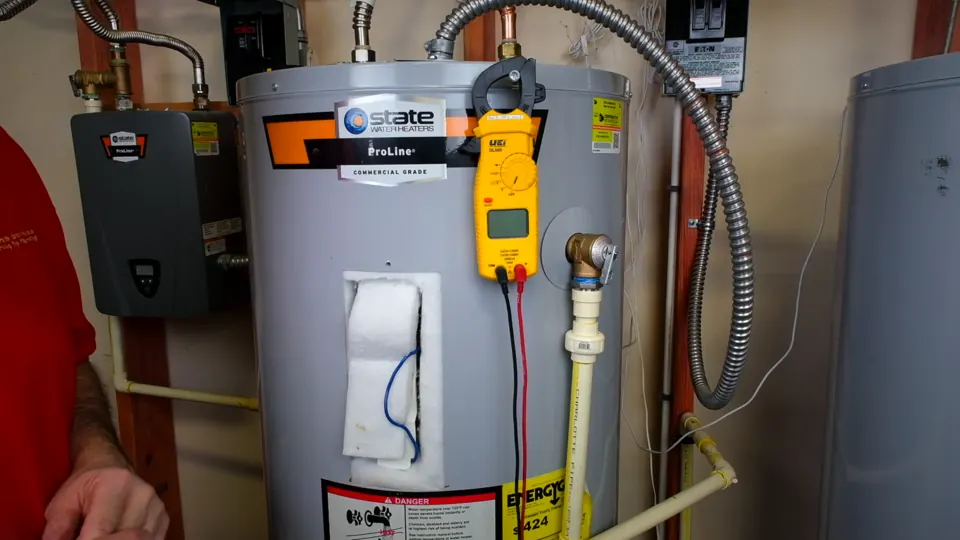
How does hot-water delivery differ?
A storage system has a heated supply and a recovery rate. Heavy use can draw that supply down. A tankless unit can continue heating while operating, but its output depends on flow and the temperature rise required.
“Endless hot water” does not mean unlimited simultaneous demand. Ask how the proposed model would handle the actual fixtures and uses in your household.
What needs checking before a conversion?
Changing type can affect fuel or electrical supply, venting, condensate handling, clearances, and water connections. The old appliance’s location does not prove the new system can operate correctly there.
A professional site assessment is important. Explain access restrictions and planned demand changes, such as an added bathroom. Do not select solely by the dimensions or an advertised efficiency claim.
How does maintenance compare?
Both types need model-specific care. Storage tanks may need attention to deposits, corrosion protection, and components. Tankless systems may require scale management and other maintenance appropriate to their design.
See water heater maintenance and tankless service guidance. A system without a storage tank is not maintenance-free.
What should you ask the installer?
- Which household demand assumptions support this model?
- What changes are needed to supply, venting, or connections?
- What maintenance does this exact unit require?
- Which approvals and inspections apply?
- What documents and operating instructions will be provided?
Our installation guide provides a broader checklist. We do not claim a universal savings percentage or recommend a model without an assessment.
Common questions
Is tankless always more suitable for a large household?
Not automatically. Peak simultaneous demand and the selected model’s output are important.
Can I compare systems using tank gallons alone?
No. Storage capacity, recovery, flow, temperature rise, and installation constraints describe different aspects of performance.
Sources and model-specific guidance
These sources support the general guidance. Your appliance manual and a qualified assessment determine the appropriate action.