
Is the problem at every tap?
If the kitchen and bathroom sinks heat normally but one shower stays cold, the fixture or its mixing arrangement may be responsible. If every hot tap is cold, the heater or its supply becomes more relevant. Avoid running large amounts of water just to repeat a test.
Note whether the water never warms, warms briefly, or returns after a recovery period. These patterns are useful observations; none proves a failed part on its own.
What changed before heating stopped?
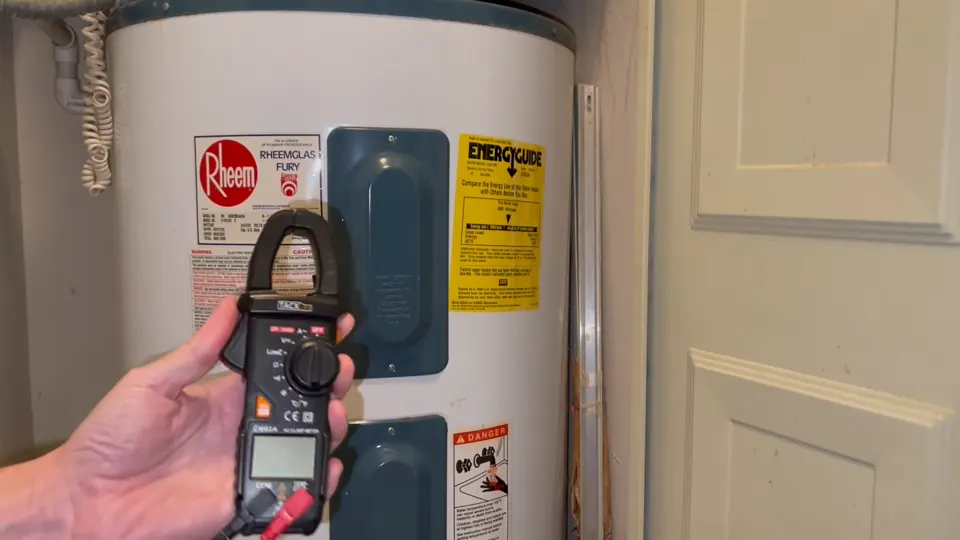
Record any power interruption, recent work, changed setting, or unusually heavy hot-water use. Identify gas, electric, tankless, or heat-pump equipment using the label or existing documents. Read an externally visible fault message without opening the heater.
Do not remove electrical covers, repeatedly reset a breaker, or relight a burner that repeatedly fails. A safety shutdown needs an explanation. The exact model manual is more useful than a generic restart video.
What should you tell a provider?
Share the make and model when available, the affected fixtures, the time the problem began, and any display message. Explain whether the tank had time to recover before the next use. Mention any leak or other unusual condition.
For type-specific preparation, read about electric water heater repair or gas heater problems. The Decatur water heater guide also has a symptom selector.
When does the next step become urgent?
Gas odor, a CO alarm, active flooding, or possible electrical exposure changes the response. Leave for a suspected gas or carbon monoxide problem and make calls from a safe place. Do not wait for a routine service appointment.
No hot water without another hazard can still need timely attention, particularly when the household depends on it for essential care. Explain those needs to the actual provider instead of assuming a website can guarantee an arrival time.
Common questions
Can cold water identify a failed heating element?
No. Supply, controls, demand, and other components can produce similar symptoms.
Should I raise the temperature setting?
Not as a guess. It may introduce a scald risk and may not correct the fault.
Sources and model-specific guidance
These sources support the general guidance. Your appliance manual and a qualified assessment determine the appropriate action.